
Latest news from QFVG
We’ve got your back with clear, reliable updates so you never miss the information that matters.
For growers and industry: Subscribe to QFVG News for the latest advocacy updates, QFVG events, and partner opportunities.
For media: Join our Media Distribution List to receive QFVG media releases and official announcements direct to your inbox.

Pineapple imports a rotten deal for Australian growers
The Australian pineapple industry is calling on the Federal Government not to approve proposed fresh pineapple imports from India and Indonesia, warning that unresolved biosecurity concerns could put domestic production and the broader pineapple supply chain at risk.

Performance Management that Stands Up
Performance issues can be challenging enough. But even when your concerns are legitimate, getting the process wrong can create additional risk for your business. Good performance management requires both a valid reason and a fair, defensible process. We look at what employers and managers need to get right, and the common mistakes to avoid.

Acceptable to whom?
Every import decision comes down to one thing: how much risk Australia is prepared to accept.ex

Fuel Costs and the RTCCO: What Businesses Need to Know
Fuel prices can change quickly and for growers reliant on road freight, those changes can flow through to transport costs. With Australia's temporary fuel excise relief now ended, we look at what this means for the Road Transport Contractual Chain Order (RTCCO), the wholesale diesel price threshold businesses need to understand, and why now is a good time to review your transport contracts and fuel adjustment mechanisms.
Paying above Award? Why Classification still Matters
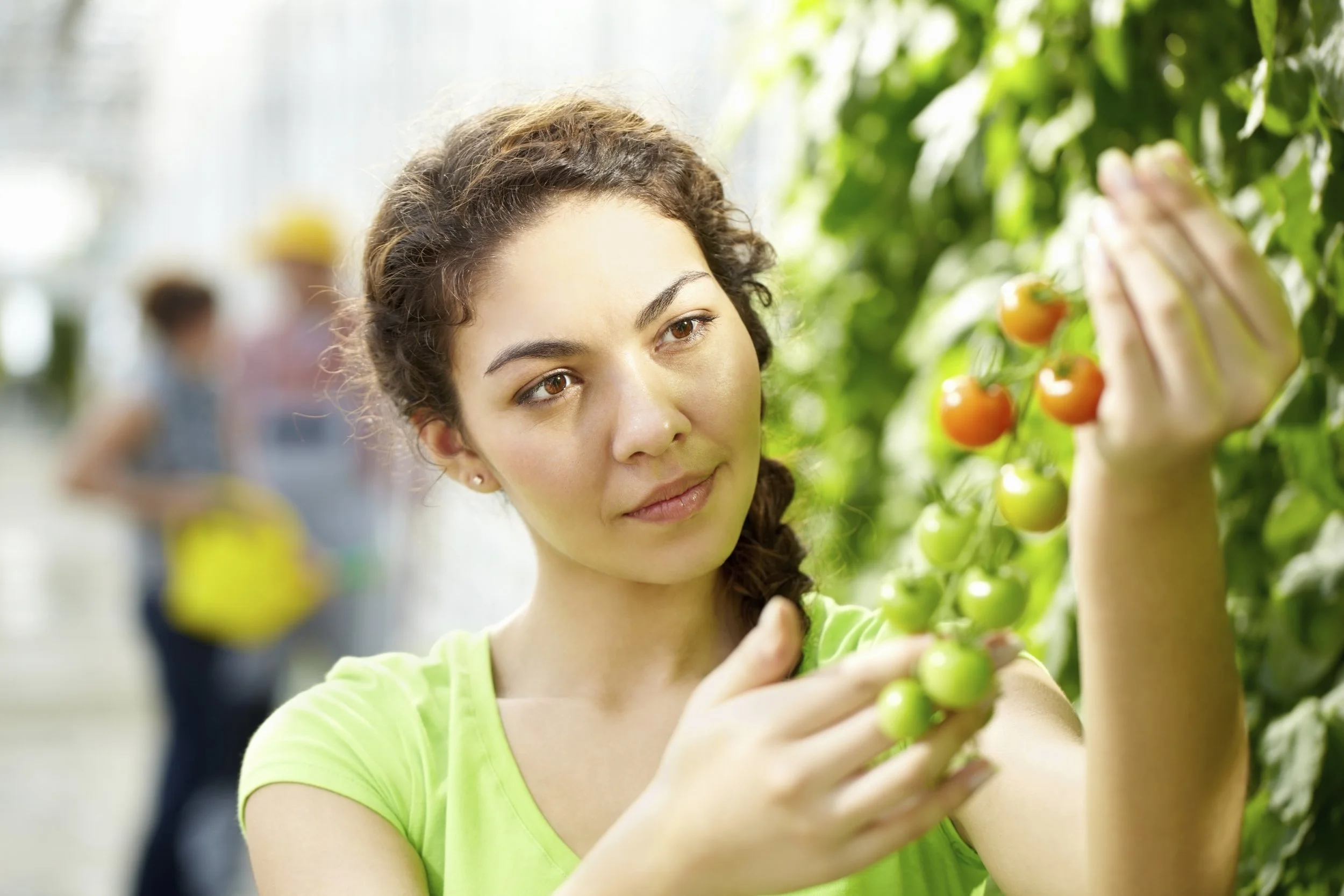
Paying above Award doesn't necessarily mean your Award obligations are covered. For growers, getting employee classifications right is particularly important, especially when managing seasonal workers, changing duties and piecework arrangements. We look at some of the common classification traps and what employers should be checking.
Leadership Capability: Your Most Underestimated Competitive Advantage
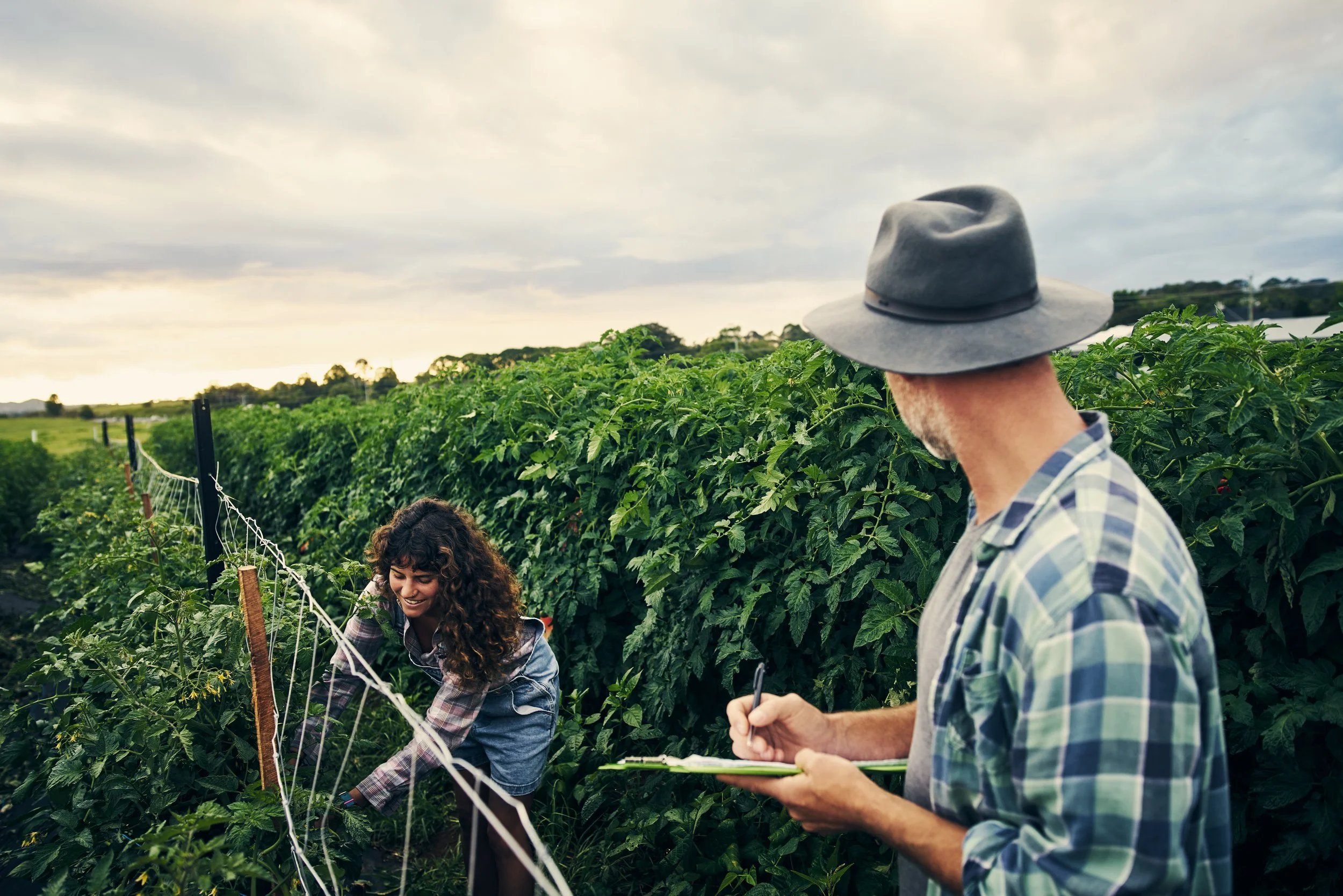
Most agricultural businesses have plans for compliance, production, and workforce needs. But what about the capability of the people leading your people? Deliberately developing leaders can be one of the most valuable investments you make. While compliance protects your business, leadership capability grows it.
Horticulture calls on Burke to act as Working Holiday Maker visa processing slows
Queensland Fruit & Vegetable Growers is calling on Federal Immigration Minister Tony Burke to act on delays and uncertainty affecting the Working Holiday Maker visa program, ahead of a meeting with the Minister next week.
Falling fruit and veg prices mask increasing pressure on growers
Consumers are feeling the pressure at the checkout, but the latest inflation data shows fresh fruit and vegetable prices are actually falling.
Putting pulse fertigation to the test
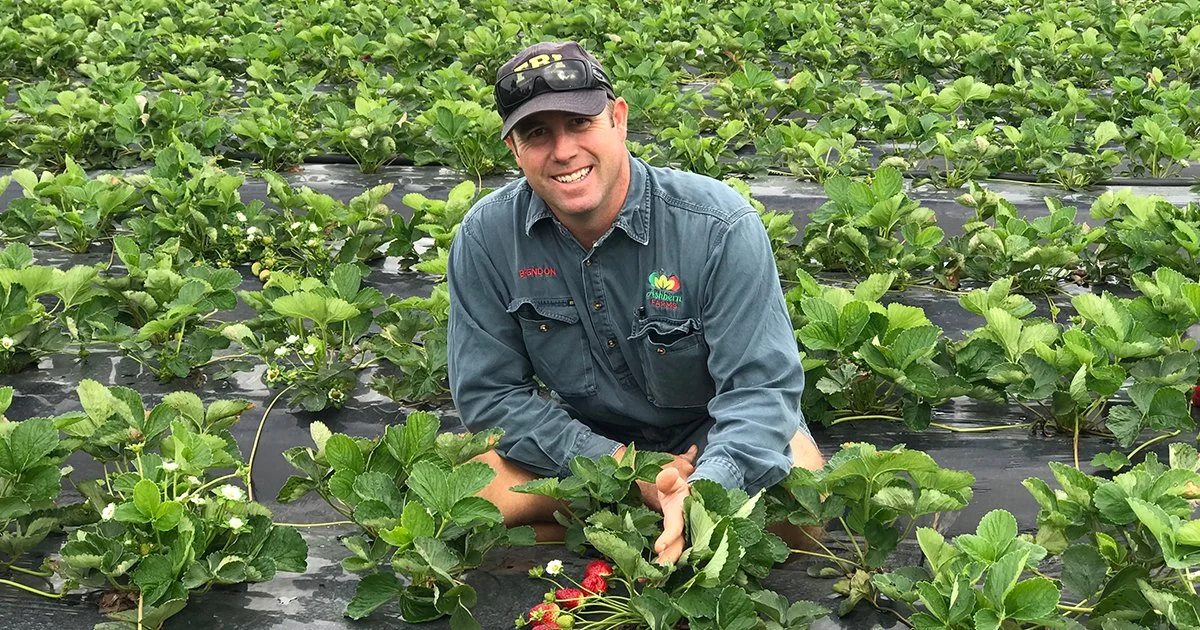
For strawberry grower Brendon Hoyle of Ashbern Farms, getting the most from every fertiliser application is about more than crop nutrition. It is about making sure valuable inputs are reaching the crop when they are needed, rather than being lost along the way.
Legacy by design: Why succession is more than a will
When many Australian families think about succession, they think about ‘the will’ - who gets the farm, who keeps the business, how the share portfolio will be divided.
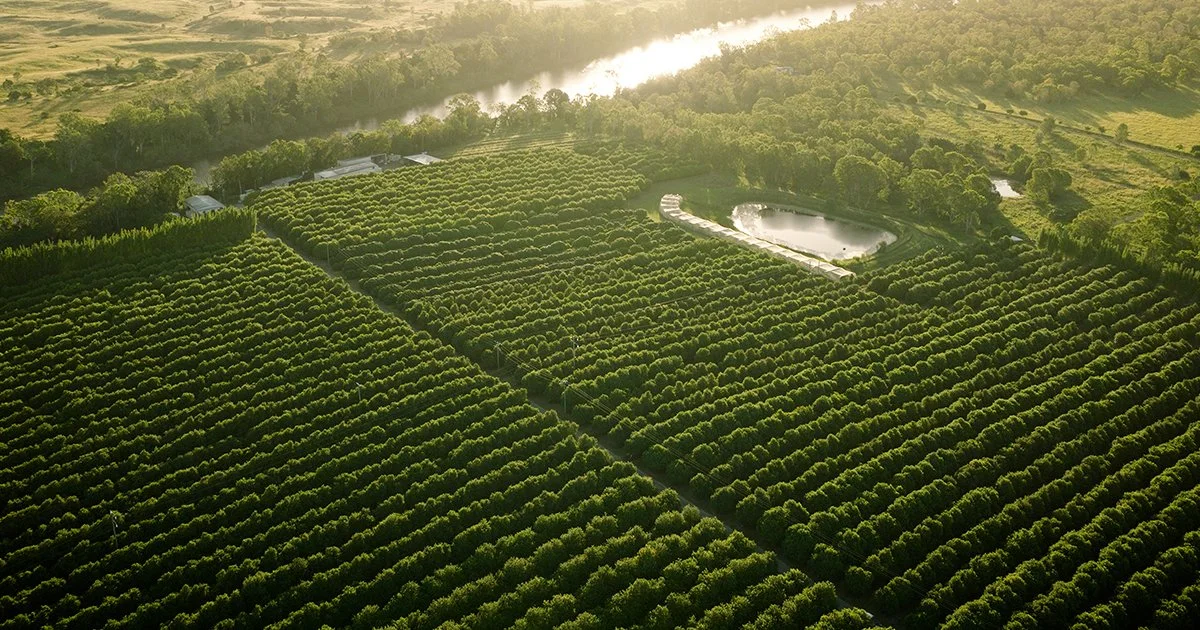
Water quality from top to bottom
For macadamia growers, improving water quality begins long before run-off leaves the orchard. From canopy management to soil health, many practices that support tree health and production also help reduce run-off and protect water quality.
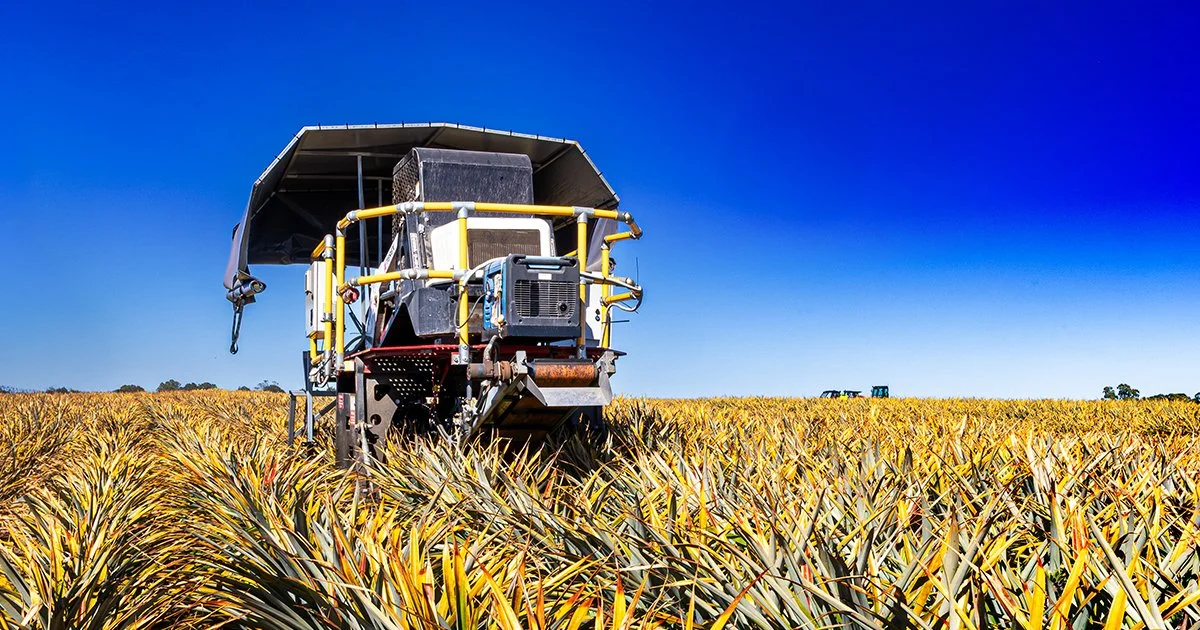
AI pineapple picker moves closer to reality
What started as a grower's idea to improve pineapple harvesting is becoming a working reality, with growers getting a firsthand look at the latest prototype during the 2026 Pineapple Field Days held recently in Hervey Bay.
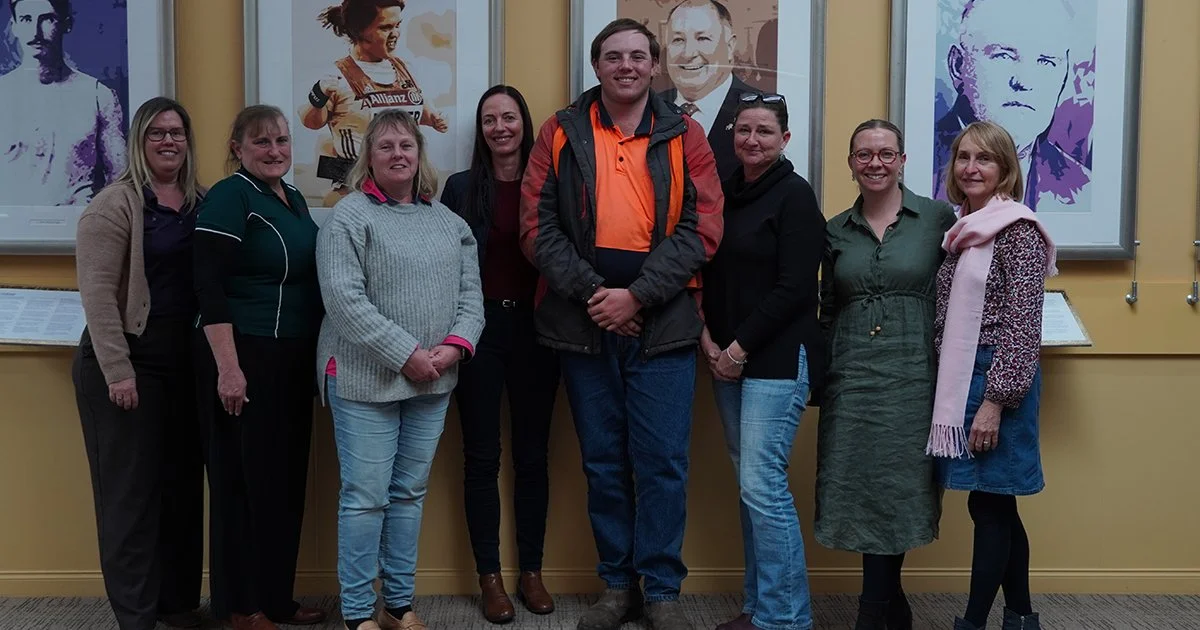
What comes next? Starting the succession conversation
A farm can carry a family name, support several generations and represent a lifetime of work. Planning what comes next is an important part of protecting what you have built and giving both the business and your family greater certainty about the future.
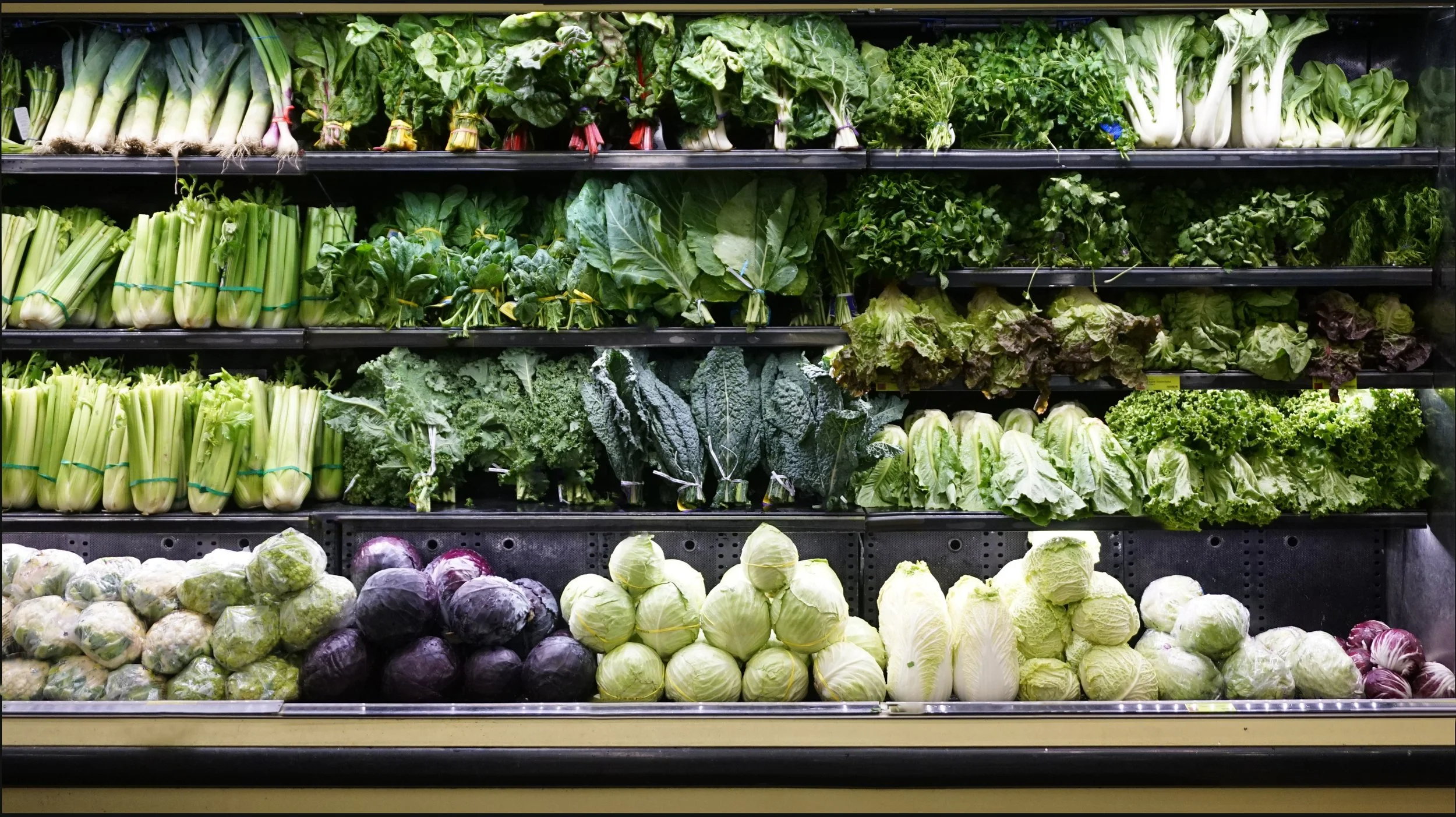
The price of being indistinguishable
If you grow fresh vegetables, you know something the shopper in the supermarket aisle does not: not all produce that looks the same is the same.

Thinking about redundancies? Here's what every employer should know
Redundancies are increasing across many industries. Even in seasonal industries like horticulture, there are times when permanent positions are no longer required for a number of reasons. Before making any decisions, make sure your business understands its obligations and how to manage the process with confidence and care.

Psychological claims linked to issues every-day leaders can influence
One statistic recently stopped us in our tracks. The median time away from work for a serious mental health workers' compensation claim is now 35.7 weeks. The surprising part? More than 73% of serious mental stress claims are linked to workplace issues leaders influence every day.

Hazing? A thing of the past and a valid reason for dismissal according to the FWC
A Jetstar engineer with 23 years' experience thought stranding two apprentices six metres in the air on an elevated work platform was just a bit of "horseplay." The Fair Work Commission disagreed — and upheld his dismissal.
Statement on today's ABC report
Queensland Fruit & Vegetable Growers (QFVG) supports fair, lawful and respectful workplaces across the horticulture industry. Where workplace laws have been breached, those responsible should be held accountable.
Consumers deserve confidence in food labelling. Growers deserve a level playing field.
Queensland Fruit & Vegetable Growers (QFVG) says allegations raised in the ABC's Four Corners investigation are a timely reminder of the confidence Australians can have in locally grown fruit and vegetables, and why all food sold in Australia should be held to equivalent standards of integrity, transparency and accountability.
Queensland horticulture growers helping protect the Great Barrier Reef through practical on-farm action
Queensland Fruit & Vegetable Growers (QFVG) has welcomed UNESCO's decision not to list the Great Barrier Reef as "in danger", saying the announcement reflects the collective effort being made across Queensland to improve Reef health - including the practical work being undertaken by horticulture growers.